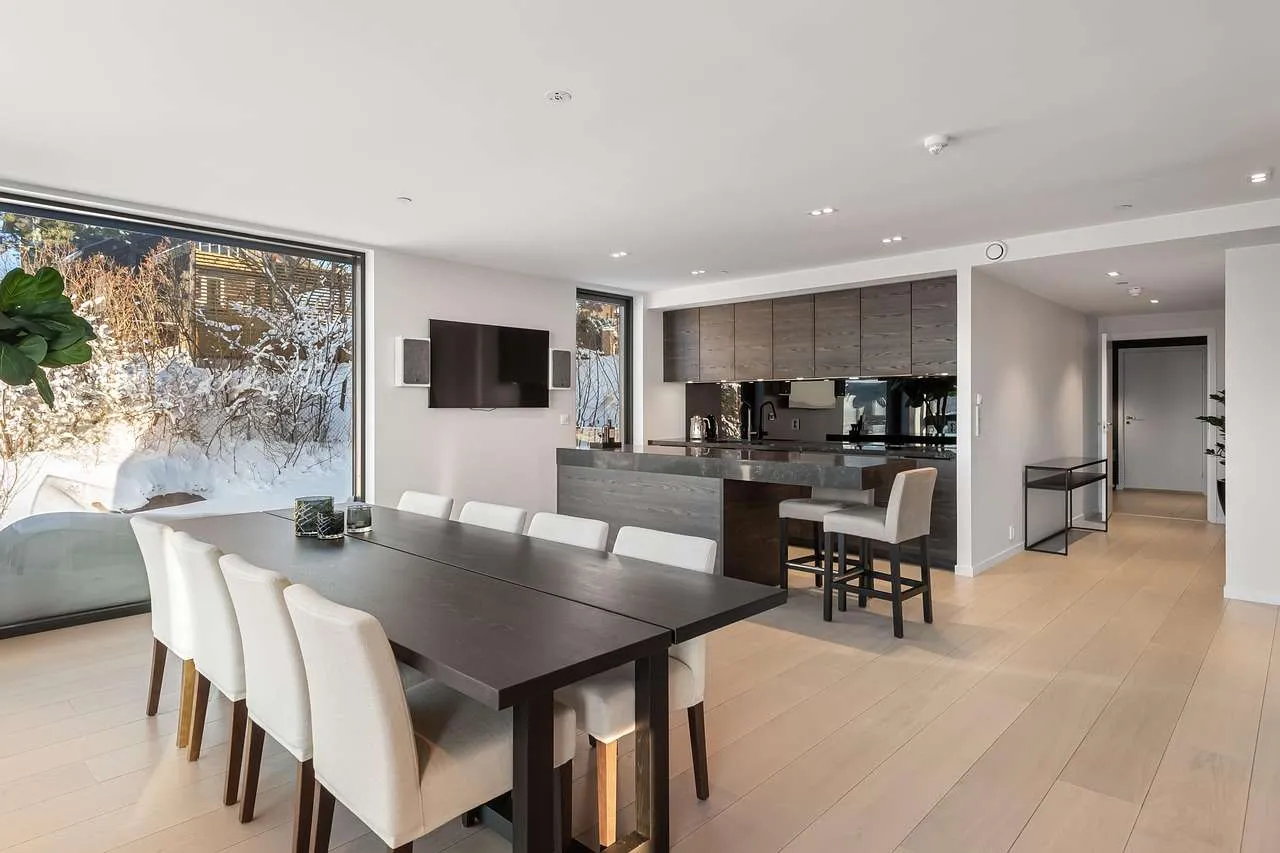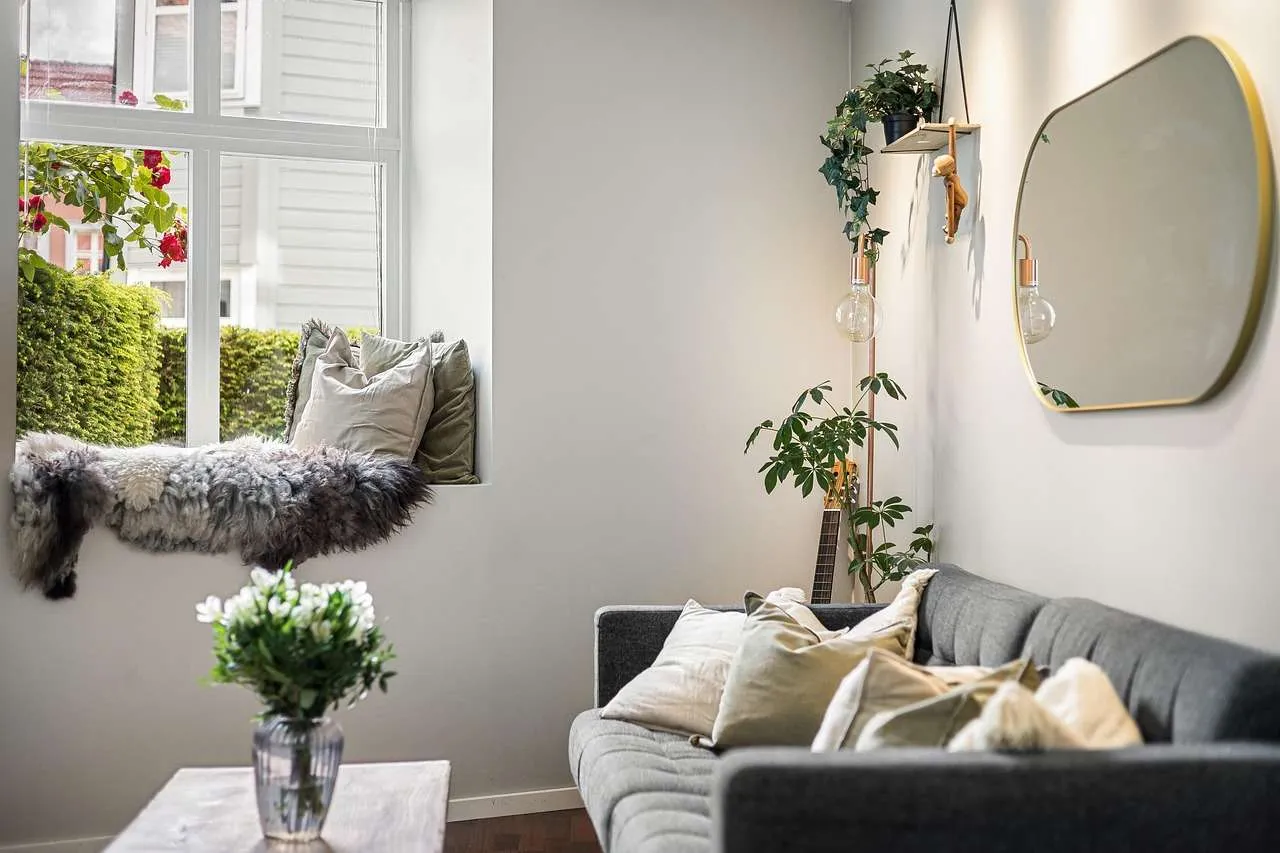
If you are searching for home window tinting near me, you are likely aiming to boost comfort, reduce energy costs, and protect interiors from UV damage. Local tinting specialists bring hands-on experience with different film types, installation techniques, and local codes. This guide lays out what to ask, how to compare options, and how to choose a trusted installer so you can enjoy clear, durable results.
What "home window tinting near me" really means
When people type in this phrase, they want a nearby, licensed professional who can assess individual windows, propose suitable tint films, and deliver a clean installation. A reputable local provider should offer a site evaluation, explain film performance (UV rejection, heat rejection, and visible light transmission), and provide a written estimate with a transparent warranty. Look for manufacturer-certified installers and proof of insurance, which signals credibility and accountability.
Tint film options you’ll likely encounter
Not all window films are created equal. The main categories commonly offered by home tinting pros include:
- Dyed films – Inexpensive and visually appealing, these films absorb heat and reduce glare but can fade or yellow over time. Best for budget-conscious projects with modest performance gains.
- Metalized films – Layers of metal reflect heat and improve energy performance, but they can interfere with electronics and often create a reflected appearance. They tend to be more durable than dyed films.
- Ceramic films – High heat rejection, excellent clarity, and non-conductive. These are popular for homes where comfort and signal integrity matter, though they may come at a higher upfront cost.
- Carbon films – Matte finishes with strong heat rejection and low reflectivity. They offer a balanced option for performance and aesthetics without metallic interference.
- Laminated or security films – Focused on safety and durability, these films hold shards in place during impact and can provide additional UV protection along with basic glare reduction.
Benefits of installing window tinting near you
Choosing a professional tinting service near you can deliver several tangible benefits:
- Energy savings – Heat rejection lowers cooling loads in summer and can keep indoor temperatures steadier year-round.
- UV protection – Most films block a large percentage of ultraviolet rays, helping protect furniture, flooring, and artwork from fading.
- Glare reduction – Reducing glare improves comfort for screen work and leisure without washing out natural light.
- Privacy and aesthetics – Tints offer daytime privacy and a cohesive exterior look while preserving interior visibility.
- Safety and security – Some films improve shatter resistance, adding a layer of protection against accidental breakage or forced entry.
How to choose the right local installer
To locate a trustworthy option near you, consider the following steps:
- Check certifications and warranties from the film manufacturer and installer. Manufacturer-backed warranties often require installation by certified professionals.
- Ask for a site assessment and a written estimate that includes the film type, VLT (visible light transmission), heat rejection, UV block percentage, and warranty terms.
- Review recent customer feedback and before/after photos. A strong local track record is a good predictor of consistent results.
- Confirm licensing, insurance, and compliance with local tinting laws. Some jurisdictions limit tint darkness on certain windows or require compliance labeling.
What to ask before installation
Prepare a short list of questions to avoid surprises after the project starts:
- What film brands do you install, and which do you recommend for my climate and glass type?
- What is the expected longevity of the film, and does the warranty cover peeling, bubbling, or discoloration?
- Will the tint affect window operation or sensor devices, such as security systems or smart home hardware?
- What preparation is required, how long will installation take, and will there be a noticeable downtime?
Cost expectations and return on investment
Prices vary by film type, window size, and accessibility. Typical ranges for residential tinting projects in many markets fall between $5 to $12 per square foot, with higher-end ceramic or carbon films commanding a premium. While upfront costs can be substantial, saving on cooling costs and protecting interior furnishings can deliver a favorable ROI over time. A local estimator can provide a precise quote and help you model potential energy savings based on climate and sun exposure.
Installation process and care after the job
A professional installation generally follows these steps: window cleaning and prep, film application using squeegees to remove air and moisture, trimming with precision, and a curing period before normal use. Aftercare typically includes avoiding abrasive cleaners and allowing specified curing time for optimal adhesion. With proper maintenance and periodic inspections, many films retain their performance for years.
Comparison at a glance
| Film Type | UV Rejection | Heat Rejection | VLT | Longevity | Best For |
|---|---|---|---|---|---|
| Dyed | Moderate | Moderate | 35-65% | Moderate | Budget projects |
| Metalized | High | High | 20-60% | Good | Budget with glare control |
| Ceramic | Very High | Very High | 35-60% | Excellent | Comfort and clarity |
| Carbon | High | High | 25-70% | Excellent | Aesthetics and efficiency |
| Security/Laminated | High | Moderate | 60-90% | Excellent | Safety |
Conclusion
Choosing the right home window tinting near me involves balancing film performance, cost, and installation quality. By selecting manufacturer-certified installers, understanding film options, and clarifying warranty terms, you can achieve meaningful comfort, energy savings, and interior protection. Take advantage of local expertise to compare sun exposure, glass types, and room-by-room needs, and you will be well equipped to enjoy a better, more efficient home.
Summary: This guide outlines how to find a credible local installer, the main tint film options, benefits, and practical steps for a successful project. With the right questions and clear expectations, home window tinting near me becomes a smart investment in comfort, protection, and long-term energy efficiency.